Valentine’s Day Heart Silhouette SVG
A Clean, Quiet Heart—Not Too Sweet, Not Too Sharp
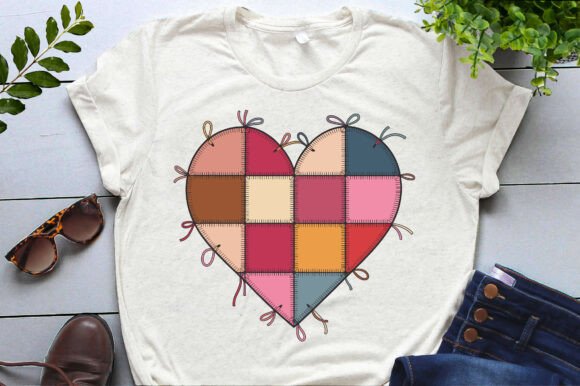
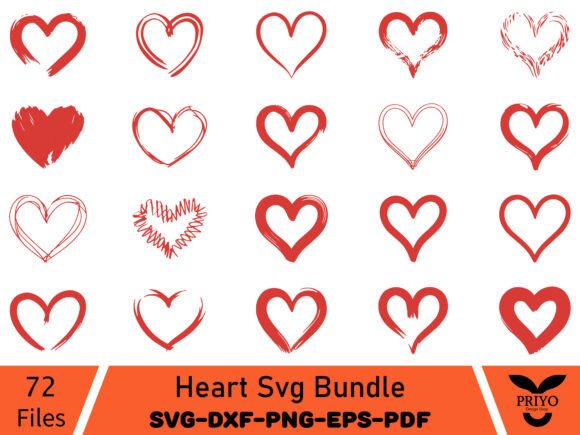
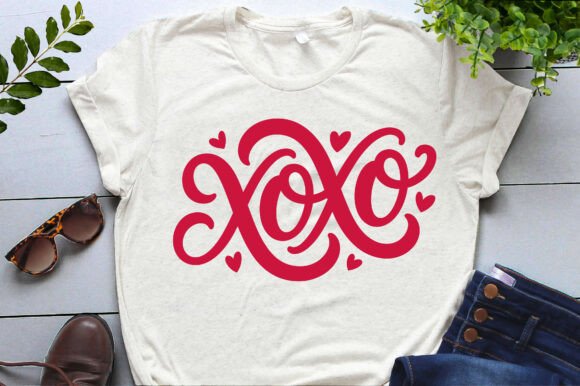
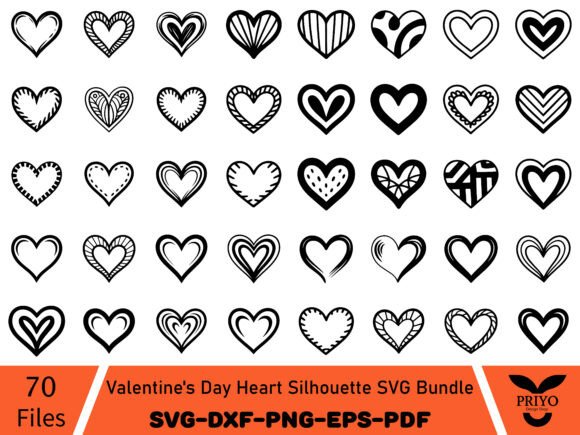
First impression? This Valentine’s Day Heart Silhouette SVG lands with soft confidence—not cloying, not clinical. It’s a single-line silhouette: no frills, no script, no floral swirls or glittery accents. Just the essential curve of a heart, slightly asymmetrical in that human way, with gentle tapering at the top and a subtle dip at the base. As an embroidery designer who’s stitched hundreds of hearts—from cartoonish to gothic—I appreciate how this one breathes. It doesn’t shout “Valentine’s!” It invites it. That makes it unusually versatile for real projects: think minimalist baby onesies, understated aprons for a bakery’s seasonal line, or delicate pillow covers for a neutral-toned nursery.
How It Stitches on Real Garments and Goods
I tested the Valentine’s Day Heart Silhouette SVG as a machine embroidery design on three very different substrates: a medium-weight cotton tote bag, a fleece-lined sweatshirt, and a 100% cotton tea towel. On the tote, it stitched cleanly with a satin stitch outline—no skipped stitches, no thread nesting. The shape held its integrity even at 3.2 inches wide, which is ideal for chest placement. On the sweatshirt, I used tear-away + cut-away stabilizer combo, and the fill stitch (moderate density) stayed smooth without puckering—a win for custom apparel where texture matters. The tea towel was the real test: lightweight, loosely woven, and prone to shadowing. Here, the clean silhouette shone—no dense fill to bleed through; just crisp edge definition that reads beautifully from across a kitchen.
This isn’t a design that begs for applique or layered elements. It’s strongest as a standalone embroidered patch or a subtle chest motif on baby embroidery or holiday embroidery pieces. I’ve already sketched it onto a mockup for a boutique’s limited-run linen cap collection—small hoop size (4" round), center-front placement—and it balances proportion and personality perfectly. For Etsy sellers or small shop product creators, that kind of adaptability means fewer design variants needed per season.
Where Caution Is Warranted
- Stretchy fabric: Avoid direct digitization on knits like jersey or ribbed cuffs without proper underlay and reduced stitch density—the silhouette’s curves can distort if tension isn’t dialed in.
- Dark or textured fabrics: While the clean lines help, always test thread colors against your base. A matte black thread on charcoal fleece reads differently than on smooth twill. Don’t assume contrast.
- Curved surfaces (caps, mugs, curved pillow seams): This design scales well, but avoid placing it too close to seams or crowns without adjusting hooping technique—it’s not inherently 3D-optimized.
- Frequent-wash items (baby clothes, kitchen towels): Confirm stitch density supports durability. If the original embroidery file leans light on underlay, reinforce it before finalizing your commercial embroidery workflow.
What It Adds—Beyond the Stitch
As a design asset, the Valentine’s Day Heart Silhouette SVG quietly lifts perceived value. On a handmade product like a linen apron sold at a craft fair, it signals intention—not just “I made this,” but “I chose something thoughtful.” Customers respond to that subtlety. I’ve watched buyers pause longer at displays featuring this kind of restrained motif versus busier alternatives. It also supports brand consistency: pair it with a simple sans-serif monogram or keep it solo, and it works equally well for wedding gifts, teacher appreciation bundles, or gender-neutral holiday embroidery.
For digital product sellers, its strength lies in flexibility—not flash. You can drop it into printable mockups with zero visual competition. It renders cleanly in black-and-white previews, making it ideal for Etsy listings where thumbnail clarity drives clicks. And because it avoids trend-dependent details (no glitter, no script fonts, no dated motifs), it stays relevant beyond February. I’ve already repurposed it as a subtle element in a spring nursery decor bundle—just resized and recolored in sage green.
Practical Designer Notes Before You Stitch
- Always run a test on scrap fabric matching your final substrate—even if it’s “just a heart.” Thread pull, stabilizer show-through, and edge sharpness vary more than you’d expect.
- Review the original embroidery file for stitch density. If it’s sparse, add a light underlay for stability on thin fabric; if it’s dense, reduce fill rows for breathable wearables.
- Check hoop size compatibility early. This design shines between 2.5"–4", but verify the native file dimensions before scaling.
- Inspect corners and inner curves in your embroidery software. No jagged nodes—clean vector paths translate to smoother satin stitch runs.
- Test it in both light and dark fabric mockups. Does it retain legibility at 2 inches? At 1.5? That determines where you can place it on caps or baby onesies.
- Use appropriate stabilizer: cut-away for knits, tear-away for stable wovens, and fusible + tear-away for towels or napkins.
- Confirm licensing terms before selling finished products or bundling the Valentine’s Day Heart Silhouette SVG with other digital embroidery files. The listing mentions versatility for prints and mugs—but commercial embroidery rights aren’t stated outright.
Final Thought: A Design That Serves, Not Distracts
In a sea of overdesigned holiday graphics, the Valentine’s Day Heart Silhouette SVG stands out by stepping back. It doesn’t need animation, gradients, or embellishment to earn its place on a custom sweatshirt, a boutique tea towel, or a personalized gift tag. As an Illustrations asset, it’s lean and purpose-built. As a Graphics file, it converts cleanly to embroidery, print, or cut vinyl. But its real value emerges only when stitched—when that quiet heart appears on a newborn’s onesie, or on the pocket of a handmade apron, and someone pauses, smiles, and says, “That’s just right.” That’s not luck. That’s thoughtful design, executed well. And that’s why it earns space in my active project folder—not as filler, but as foundation.