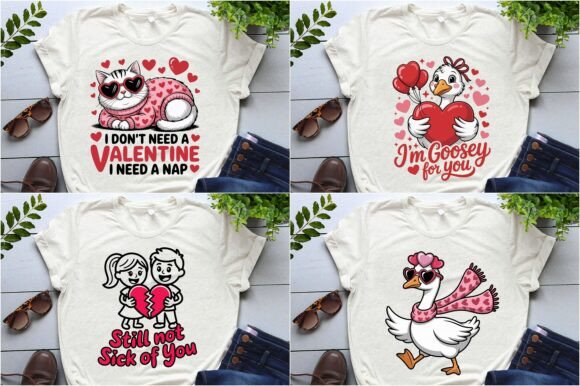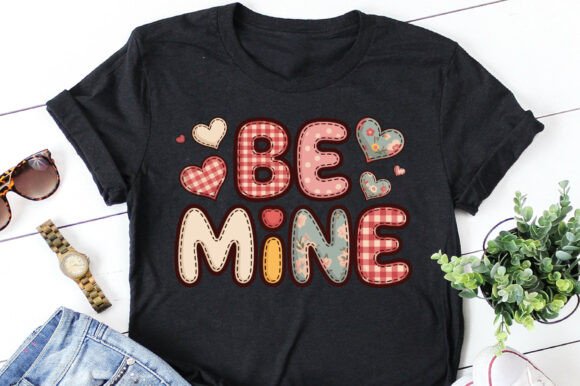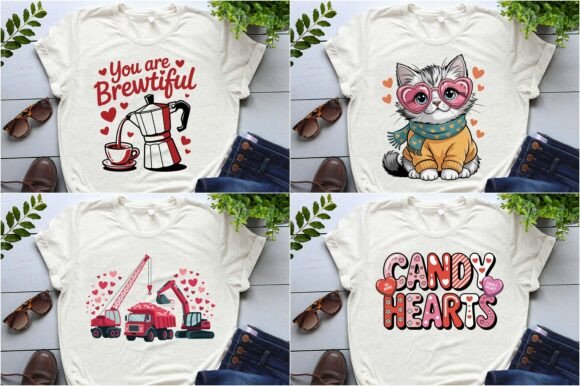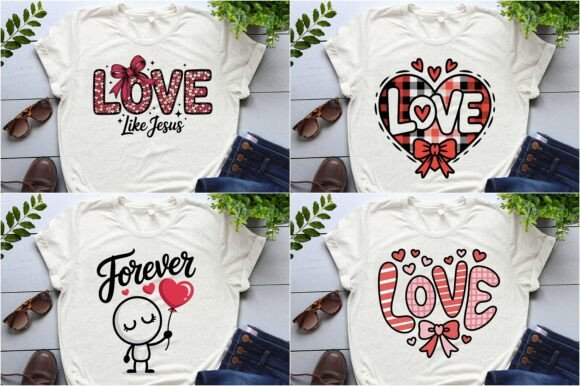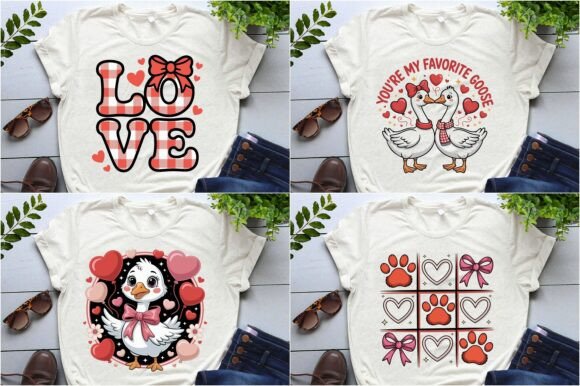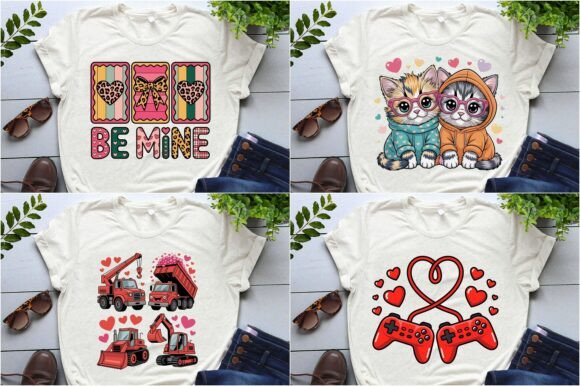
Valentines Day PNG SVG EPS
A Designer’s First Look: Sweet, Simple, and Ready for Stitching
When I opened the Valentines Day Png Svg Eps bundle, my first thought wasn’t “cute”—it was “practical.” The preview file shows clean outlines, balanced negative space, and a gentle romantic rhythm—not overly ornate, not too minimal. It’s got that quiet confidence of a design made to live on real things: a linen tea towel folded beside a coffee mug, a soft cotton baby onesie, or a structured canvas tote bag for a boutique pop-up. As an embroidery designer who’s stitched hundreds of holiday-themed pieces, I appreciate when a graphic doesn’t shout—but still holds attention after washing, wear, and time.
How It Translates to Real Embroidery Projects
I tested this set by planning a small-batch run of embroidered cotton aprons for a local café’s Valentine’s weekend special. The Valentines Day Png Svg Eps worked beautifully as a focal chest motif—neither too wide nor too tall, with proportions that sit comfortably in a 4”–5” hoop. Its layout avoids tight corners and micro-details, which means fewer thread breaks and smoother satin stitch transitions on curved surfaces like apron bibs or sweatshirt sleeves. For baby embroidery, the rounded hearts and soft script feel reassuringly gentle—no sharp angles or fragile stems that could snag during laundering.
As a digital embroidery file, it bridges print-on-demand and machine work seamlessly. The 12 PNGs (4500×5400 px, 300 DPI, fully transparent) hold up crisply in printable mockups for Etsy listings or Instagram product previews. Meanwhile, the EPS and SVG files gave me flexibility: I resized one version for a delicate embroidered patch (2.25” wide), then used another at full scale for a pillow cover. No pixelation. No anchor points collapsing. Just clean, scalable geometry—exactly what a craft business needs when juggling custom orders and inventory prep.
Where This Design Shines—and Where to Pause
The Valentines Day Png Svg Eps is strongest on stable, medium-weight fabrics: twill, quilting cotton, brushed poly-blend sweatshirts, and sturdy canvas. On those, the design reads clearly even at modest stitch density—no need to overfill or over-stabilize. It’s ideal for tote bag design, holiday embroidery on kitchen towels, and personalized gifts where legibility matters more than flash.
But here’s where judgment kicks in: avoid using it directly on highly textured knits (like bouclé or heavy terry) without testing stabilizer layers first. Also, skip dense fill stitch versions on thin jersey—those fine interior lines can blur or tunnel. And while the vector files scale well, don’t push tiny lettering below 0.25” height unless you’ve verified your machine handles it cleanly. For caps or curved hats, simplify or reposition elements away from the crown seam—this design wasn’t built for extreme distortion.
What It Adds to Your Handmade Product—and What It Doesn’t
This isn’t a flashy, trend-chasing graphic. It won’t dominate a streetwear drop or go viral on TikTok—but it *does* elevate handmade presentation. When stitched with quality thread on natural fiber, it feels intentional, warm, and quietly professional. Customers notice that. They trust it. That subtle polish translates directly to perceived value—especially for Etsy sellers pricing personalized gifts or small shop products where craftsmanship is the main selling point.
It also supports brand consistency. Because the bundle includes multiple file types and sizes, you can keep visual tone unified across digital assets (social banners, printable tags) and physical items (embroidered patches, gift tags, packaging). No mismatched scaling or inconsistent line weights. That cohesion builds recognition—especially important if you’re building a seasonal collection or boutique branding around heartfelt, low-key romance.
Practical Notes Every Embroidery Designer Should Check
- Test on scrap fabric first—especially if pairing with dark or stretchy materials. Thread color contrast makes or breaks readability.
- Review stitch density before loading into your embroidery software. Some vector-to-embroidery conversions overfill open areas; adjust fill stitch spacing if needed.
- Confirm hoop size compatibility. While the design scales well, verify your most-used hoops match its natural fit (e.g., 4×4”, 5×7”).
- Inspect small details manually—even with clean vectors, tiny loops or connecting strokes may need cleanup before digitizing.
- Try black-and-white mockups to assess contrast and balance before committing thread or fabric.
- Use appropriate stabilizer: cutaway for knits, tear-away for stable wovens, and fusible for lightweight linens.
- Check licensing terms before selling finished items or reselling digital files—this bundle’s description doesn’t specify commercial use rights, so verify before listing on Etsy or wholesale platforms.
Final Thought: A Reliable Anchor for Seasonal Work
The Valentines Day Png Svg Eps won’t replace your original hand-drawn motifs—but it will save hours when you need dependable, production-ready design assets for custom apparel, holiday embroidery, or small-batch merchandise. It fits naturally into workflows for embroidery designers, craft business owners, and Etsy sellers who prioritize clarity, consistency, and quiet charm over complexity. Use it to make something meaningful—not just decorative. A well-stitched heart on a baby blanket, a tidy monogrammed tote, a crisp patch on a denim jacket—it all starts with choosing the right foundation. This one earns its place in the folder.